Sovereignty starts with something you’re probably not building yet
Why going fully Sovereign isn’t the First Step and what actually works
The conversation around sovereign cloud has accelerated rapidly. What once sounded like a niche architectural choice has become a strategic imperative for governments, critical infrastructure, and European organizations. Concerns about data jurisdiction, geopolitical tensions, and long-term digital independence are driving a wave of renewed attention.
But somewhere along the way, a misconception emerged… that the path to sovereignty begins with moving everything to a fully sovereign cloud. Overnight.
In reality, that approach is not only unrealistic, it is actively harmful to innovation, resilience, and continuity.
At Lionsville, we look at it differently:
Full sovereignty is not a starting point. It is a capability you build over time. And the foundation of that capability is flexibility, not isolation.
What the Maritime World teaches us: Independence through diversification
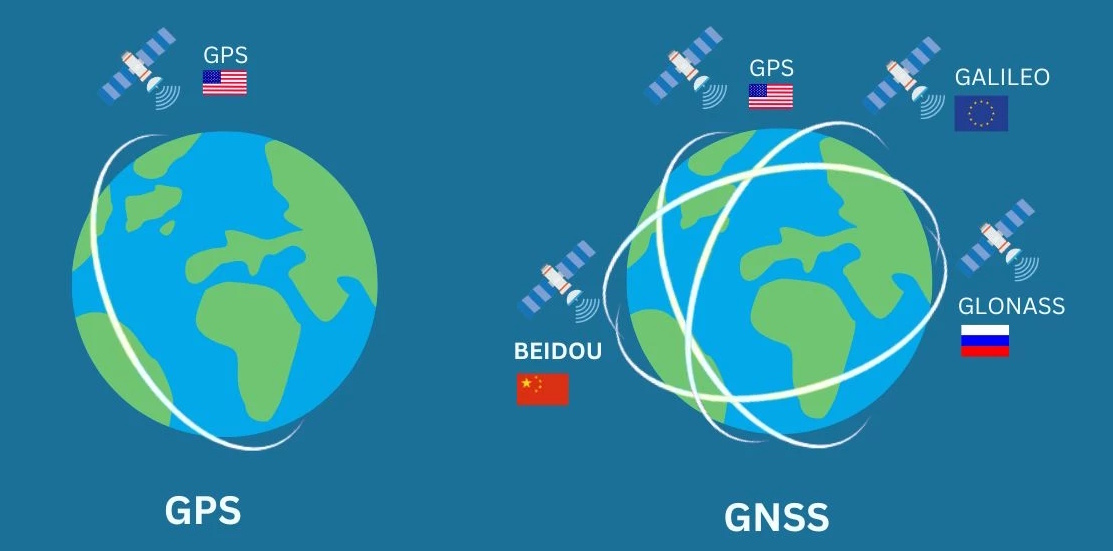
If you look at modern navigation, captains never depend on a single satellite system. They rely on GPS, Galileo, GLONASS, and Beidou simultaneously. Not because one is perfect, but because redundancy equals resilience.
If one system fails, the ship keeps sailing.
That principle “critical independence through diversification” is exactly how we should approach digital infrastructure and cloud strategy.
Just as a captain must always be able to navigate, organizations must be able to operate regardless of the cloud they depend on.
Cloud Sovereignty begins not with choosing a provider… but with being able to choose
True sovereignty is about control:
- Where does your data live?
- Who governs your identities?
- How quickly can you move if laws or geopolitics change?
- What happens if one cloud provider becomes unavailable?
But going “all in” on one sovereign cloud creates the same problem as going “all in” on a single hyperscaler. Dependency is dependency… no matter where it lives.
Sovereignty is not a location; it’s an ability.
And therefore the first step is not migration, but:
→ Designing your digital environment so it can move.
This is what we call digital agility through cloud portability.
Why a fully sovereign-first approach backfires
There are three structural problems with starting your journey by immediately trying to become fully sovereign:
1. European Sovereign Clouds are not yet full replacements
American hyperscalers still lead in innovation, scale, tooling, and ecosystem richness. Even the most sovereignty-focused organizations still rely on their capabilities. Ignoring this reality slows down engineering teams and reduces competitiveness.
2. A Sovereign cloud can/will also fail
Sovereign clouds operate on smaller scale, sometimes with more limited redundancy. Outages are absolutely possible and in some cases statistically more likely. A single-cloud strategy, even a sovereign one, is always fragile.
3. Moving too fast creates cost, complexity, and operational risk
Mission-critical workloads cannot simply be “lifted and shifted” without proper design: containerization, open standards, exit strategies, contract clarity, and a multi-cloud architecture.
Skipping these steps leads to vendor lock-in the very thing sovereignty aims to prevent.
The real first step: Build the “Digital Plug”
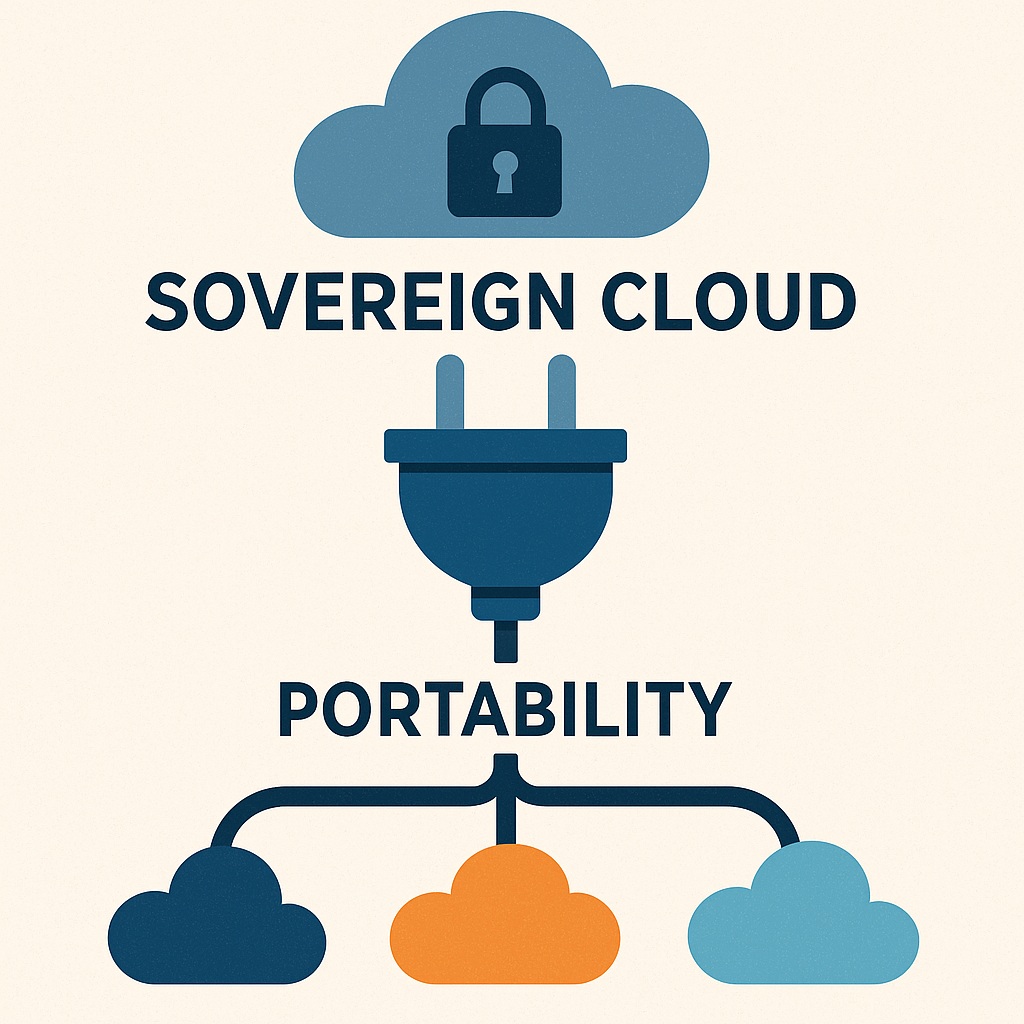
We use the analogy of a digital plug:
Your cloud environment must be built in such a way that you can unplug it from one provider and plug it into another with manageable effort and predictable downtime.
That requires:
- Portable applications (containers, Kubernetes, open standards)
- Data that isn’t locked into proprietary formats
- Identity architectures you control
- Clear exit clauses in contracts
- Governance that assigns ownership over portability
- Monitoring that reveals dependencies before they hurt you
Sovereignty without portability is an illusion.
Portability is the capability.
The No-Regret Move: Start Small, Start Safe
One of the most important principles in any sovereignty journey is the concept of a no-regret move: a step you can take today that delivers value immediately, while keeping all future options open.
For most organizations, that no-regret move is simple:
Start with a small, well-defined pilot.
A pilot lets you:
- Validate portability patterns without risking critical workloads
- Build internal skills and confidence
- Measure real-life complexity before committing at scale
- Expose architecture and governance gaps early
- Create momentum without political or operational resistance
Starting small means starting smart. It derisks your sovereignty ambitions while laying the groundwork for long-term architectural freedom.
A Practical, Hybrid path toward Sovereignty
At Lionsville, we help organizations build a sovereignty strategy that is realistic, resilient, and future-proof. It consists of four logical steps:
1. Start with Digital Agility
Before any migration, make workloads portable and replaceable. This creates the freedom to make sovereign decisions later.
2. Introduce Multi-Cloud Intentionally
Not as a vanity buzzword, but as a strategic redundancy model. Just like diversified navigation systems, diversified cloud dependencies reduce operational risk.
3. Move Critical Workloads to Sovereign environments where it makes sense
Not everything needs to be sovereign but some things absolutely do.
Regulated data, classified information, and availability-critical workloads benefit from EU-governed cloud infrastructure.
4. Keep leveraging innovation where it is Strongest
American clouds remain unmatched for ecosystem, tooling, and velocity. Sovereignty is not anti-U.S.; it’s pro-choice.
Sovereignty as a Business Capability
Sovereignty is not a product you buy or a place you deploy to… it is a capability your organization develops. It blends technology, governance, and strategy into one measurable competency.
This capability includes:
- Portability: The ability to relocate workloads in a controlled manner
- Ownership: Legal and operational control remains with your organization
- Interoperability: Open standards to prevent lock-in
- Transparency: Clear exit conditions and insight into dependencies
- Governance: Assigned responsibility, KPIs, and measurable lock-in risk
Organizations that build this capability become digitally resilient and gain true strategic freedom.
Conclusion
Going fully sovereign is not the first step.
The journey begins with digital flexibility, portable architectures, and multi-cloud readiness, not with abandoning American clouds or rushing into European ones.
Sovereignty is not about where your data is today.
It’s about ensuring you can move it tomorrow.
For most organizations that focus on portability and agility first will not only be more sovereign… they will also be more innovative, more resilient, and better prepared for whatever the digital future brings.